



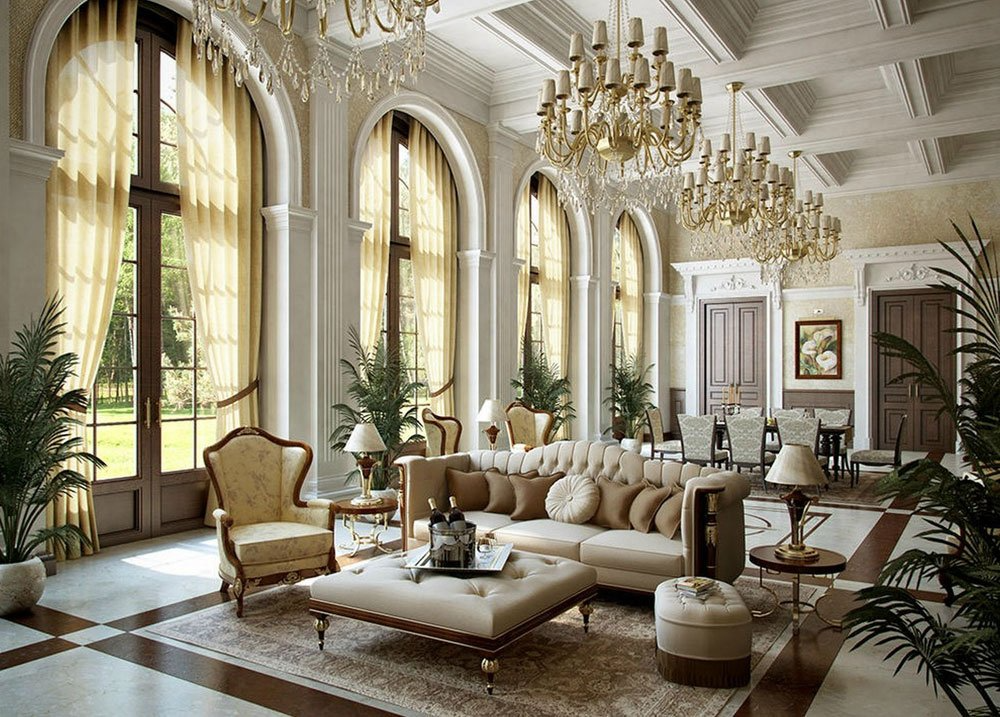
Victorian homes have a distinctive character that continues to make them highly desirable in London. From tall sash windows and high ceilings to decorative cornices, fireplaces, timber flooring, and tiled hallways, these properties often contain architectural details that are difficult to reproduce convincingly in modern construction. Victorian houses in London were commonly built with solid brick walls, timber floors, sash windows, and decorative plasterwork, although styles varied considerably throughout the Victorian period.
Transforming one of these properties is therefore about more than simply applying a fresh coat of paint. A successful makeover should respect the home’s original character while introducing colours, finishes, and practical improvements that suit contemporary lifestyles. With careful planning and skilled workmanship, Decorators in London can help homeowners create interiors that feel fresh without losing their period identity.
Understanding the Character of a Victorian Home
Before starting a decorating project, it is important to understand the architectural language of the property. Early, mid, and late Victorian houses can look quite different, with changes in brickwork, ornamentation, windows, fireplaces, and decorative detailing occurring throughout the period.
Common features may include deep skirting boards, picture rails, plaster cornices, ceiling roses, panelled doors, fireplaces, sash windows, and decorative hallway tiles. Some Victorian properties also have bay windows, ornate brickwork, and generous ceiling heights.
Rather than covering these features, homeowners can make them central to the decorating scheme. The aim should be to create a relationship between the original architecture and the new decoration.
Preserving Original Features
One of the most important principles when decorating a Victorian property is to identify which original features should be retained. Historic England recommends making the most of original decorative elements such as cornices, picture rails, wall panelling, timber mouldings, and other period details. Removing or aggressively stripping historic finishes can sometimes result in the permanent loss of significant character.
A decorator can carefully prepare existing surfaces rather than automatically replacing them. Original woodwork, for example, may need cleaning, filling, sanding, priming, and repainting rather than removal.
The same approach can be applied to fireplaces, doors, architraves, skirting boards, and decorative plasterwork. Small imperfections can sometimes contribute to the character of an older property.
Creating a Modern Colour Scheme
Colour is one of the easiest ways to transform a Victorian home without making major structural changes. The right palette can highlight architectural details while giving rooms a contemporary appearance.
Soft neutrals can provide a calm background for decorative cornices and fireplaces, while deeper greens, blues, reds, or earthy tones can create a richer period-inspired atmosphere. Alternatively, homeowners may choose contemporary colours while keeping traditional architectural details intact.
The key is to consider the entire room rather than selecting wall colour in isolation. Flooring, curtains, furniture, fireplaces, doors, ceilings, and natural light all influence how a colour will appear.
Giving Sash Windows the Attention They Deserve
Sash windows are among the defining features of many Victorian London properties. Their proportions, glazing patterns, and timber construction contribute strongly to the appearance of period houses. Historic England notes that historic windows can be important elements of a building’s character and may contain details or materials that are no longer commonly produced.
Decorating around these windows can make a significant difference. Instead of hiding them behind heavy treatments, homeowners can use curtains, blinds, or simple window treatments that allow their proportions to remain visible.
Where windows require repair rather than replacement, the decorating process should also account for preparation and restoration work. This can help maintain visual consistency throughout the property.
Refreshing Victorian Woodwork
Doors, skirting boards, architraves, staircases, and picture rails can become tired after years of use. Repainting these features is an effective way to refresh a Victorian interior.
Contrasting trim colours can make architectural details more noticeable, while a coordinated colour scheme can produce a quieter contemporary appearance. Gloss, satin, eggshell, and specialist wood finishes can each produce different results, so the intended character of the room should guide the choice.
Careful preparation is particularly important. Filling cracks, repairing damaged timber, removing loose coatings, and creating a smooth surface before painting can significantly improve the final result.
Making Fireplaces a Focal Point
Victorian fireplaces can become natural centrepieces in reception rooms. Depending on the property, a fireplace might feature cast iron, tiles, timber, marble, or another decorative surround.
Rather than competing with the fireplace, the surrounding decoration can frame it. A carefully selected wall colour can make the fireplace stand out, while furniture and lighting can reinforce its position within the room.
If an original fireplace has been painted or altered over the years, specialist advice may be appropriate before extensive restoration work begins.
Balancing Period Style With Contemporary Living
A Victorian house does not need to become a museum. Modern furniture, lighting, artwork, technology, and storage can work successfully alongside traditional architecture.
For example, a room with original cornicing and a period fireplace can still contain a contemporary sofa, modern lighting, minimalist furniture, and modern artwork. The contrast between old and new can create a distinctive interior.
The important consideration is balance. If every element attempts to imitate the Victorian period, the room can feel overly themed. Conversely, removing or visually overpowering every traditional detail can make the property lose much of its identity.
Updating Walls and Ceilings Carefully
Walls and ceilings often require considerable preparation in older homes. Cracks, uneven surfaces, previous paint layers, and minor imperfections can become more noticeable under strong lighting or modern finishes.
A professional decorating process should begin with an assessment of the surfaces. Depending on their condition, this may involve filling, sanding, patch repairs, priming, or specialist plasterwork.
Historic properties can also contain older decorative layers beneath modern finishes. Historic England advises taking care when dealing with potentially significant historic decoration because stripping layers can permanently remove evidence of the building’s history.
Bringing Victorian Hallways Back to Life
The hallway is particularly important in many Victorian homes because it creates the first impression when someone enters the property. Original tiled floors, timber staircases, decorative doors, dado rails, and patterned details can all contribute to its character.
A decorating scheme can connect these elements rather than treating them separately. Wall colours can complement existing tiles, while carefully finished staircases and woodwork can give the entrance a polished appearance.
Good lighting is equally valuable. Victorian hallways can sometimes feel narrow or dark, so appropriately positioned lighting can make the space feel more welcoming without requiring major alterations.
Choosing Finishes Suitable for Older Buildings
Decorating an older home requires consideration of the materials already present. Historic England notes that some traditional wall materials and finishes need to remain breathable so moisture is not unnecessarily trapped within the building.
This means homeowners should not automatically choose products simply because they are modern. The condition and construction of the property should influence the selection of paints, coatings, fillers, and other materials.
For specialist repairs, decorators may also need to work alongside plasterers, joiners, window specialists, or conservation professionals.
Working With Experienced Decorators
Victorian homes often contain more detailed surfaces than modern properties, making preparation particularly important. Experienced Decorators in London can assess the existing condition of walls, ceilings, woodwork, and period features before recommending an appropriate decorating approach.
A good project should begin with a clear discussion about what the homeowner wants to preserve, restore, change, or modernise. This allows the decorating work to support the architectural character rather than accidentally covering it.
For listed buildings and properties in conservation areas, additional considerations may apply. Historic England advises homeowners to seek appropriate advice before making changes where consent may be required.
Planning a Victorian Home Makeover
A successful transformation usually starts with a room-by-room plan. Homeowners should consider the condition of surfaces, existing period features, desired colour palette, furniture, lighting, flooring, and the order in which work needs to be completed.
It is also sensible to allow additional time for preparation. Repairing old plaster, restoring timber, or carefully preparing intricate mouldings can take considerably more effort than painting an uncomplicated modern wall.
A detailed plan helps prevent rushed decisions and makes it easier to maintain a consistent style throughout the house.
The Importance of Respecting the Original Architecture
Victorian homes were designed with particular proportions, materials, and decorative relationships. Even when homeowners want a thoroughly modern interior, respecting these fundamentals can produce a more successful result.
Original sash windows, fireplaces, cornices, doors, and mouldings can provide visual anchors for a contemporary decorating scheme. Local conservation guidance may also place importance on retaining characteristic features, particularly windows and other elements that contribute to the appearance of a terrace.
The goal is not necessarily to recreate the past. Instead, it is to understand what makes the property distinctive and use that character as the foundation for a modern home.
Final Thoughts
Transforming a Victorian home in London requires a thoughtful combination of preservation, preparation, colour, craftsmanship, and contemporary design. Period features can provide a strong foundation for an attractive interior, while carefully chosen modern finishes can make the property more comfortable and suitable for today’s lifestyle.
By understanding the home’s original architecture, protecting valuable features, preparing surfaces properly, and selecting colours and finishes carefully, homeowners can achieve a transformation that feels both authentic and current. Working with experienced Decorators in London can make it easier to bring these elements together and create a finished home where Victorian character and modern living complement each other.